ReStructure Protein Powder

05.11.2024
 Reading time: 20 minutes
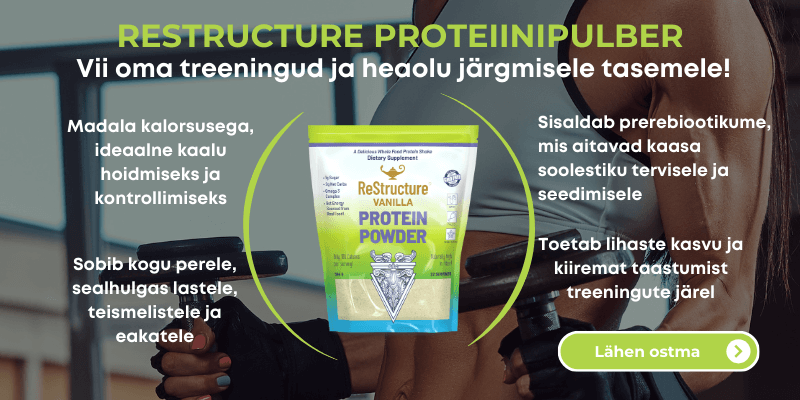
ReStructure protein powder is a unique dietary supplement designed to support your body's balance. This protein powder is ideal for athletes, people losing weight and anyone who wants to improve their diet.
Created by Dr Carolyn Dean, the ReStructure supplement is part of the comprehensive Total Body ReSet protocol, which helps the body recover and stay healthy.
What makes ReStructure protein powder special?
ReStructure is a combination product containing three different types of protein – pea protein, rice bran and germ protein and whey protein –, providing a balanced amino acid profile. Unlike many protein powders on the market, ReStructure also contains essential fibre, healthy fats and prebiotics that support digestion and the immune system.
Key benefits
- High protein content
ReStructure contains 11 g of protein per serving, supporting muscle growth and recovery. This makes ReStructure an excellent choice after a workout or as part of a healthy diet.
- Low sugar content
With only 1 g of sugar per serving, this protein powder is ideal for those monitoring their blood sugar levels or following a low-carb diet such as keto or paleo.
- Source of fibre and prebiotics
ReStructure contains 4 g of fibre per serving, helping to support normal digestion. It also contains prebiotic tapioca and inulin, which help balance the gut microbiome.
- Omega-3 fatty acids
The protein powder is enriched with omega-3 fatty acids, which are important for heart health and brain function. Each serving contains 660 mg of omega-3 fatty acids, offering additional protection against inflammation and supporting overall health.
Who is ReStructure protein powder for?
Thanks to its versatile and balanced composition, ReStructure protein powder suits a wide range of users. Here is an overview of the groups for whom this product may be especially beneficial.
1. Children and teenagers
Growing children and teenagers need more protein and nutrients than average for physical development, muscle growth and overall health. ReStructure protein powder contains easily digestible protein and essential amino acids that support normal growth in children and young people and help develop stronger muscles and bones.
Benefits:
- supports normal growth and development
- helps build strong muscles and bones
- boosts energy levels and improves mental focus
2. Athletes and people with an active lifestyle
For athletes and those who train regularly, it is important to consume enough protein to support muscle growth and recovery. ReStructure protein powder is an excellent choice after a workout, as it provides easily digestible, quickly absorbed protein. It also helps prevent muscle soreness and supports faster recovery.
Benefits:
- supports muscle growth and speeds up recovery
- contains essential branched-chain amino acids (BCAAs) that support muscle growth
- improves athletic performance and reduces muscle fatigue
3. People losing or managing weight
ReStructure protein powder is ideal for those who want to lose weight or maintain their body weight. Thanks to its low calorie and low carbohydrate content, it helps control appetite and blood sugar. It also contains fibre, which helps you feel full for longer and reduces hunger.
Benefits:
- helps control appetite and stabilise blood sugar
- low in calories, suitable for weight loss
- contains fibre that supports digestion and prolongs the feeling of fullness
4. Older adults
For older people, it is important to consume enough protein to maintain muscle mass and strong bones. ReStructure protein powder is easy to digest and contains the necessary amino acids to help keep muscles and bones healthy. It also helps maintain energy and supports overall well-being, making it an excellent supplement for daily use.
Benefits
- supports muscle and bone health in later life
- improves digestion and helps maintain energy levels
- contains easily digestible nutrients and amino acids
5. For digestive problems or food allergies
ReStructure protein powder is easy to digest and hypoallergenic, so it is also suitable for people with a sensitive stomach or food allergies. The product contains lactose-free whey protein and plant-based protein sources, which are suitable even for those with lactose intolerance or other food intolerances.
Benefits:
- easy to digest and suitable for people with a sensitive stomach
- hypoallergenic formula, also suitable for food allergies
- free from lactose and gluten, making it suitable for many people with food intolerances

ReStructure protein powder ingredients and their benefits
1. Whey protein (Whey protein)
Whey protein is the main protein source in ReStructure protein powder. It is highly valued for being easy to digest and quickly absorbed, which means the body quickly gets all the amino acids it needs.
Whey protein contains all the essential amino acids the body needs to repair and build muscle. It is also an excellent immune system supporter and helps keep blood sugar levels stable.
Whey protein has one of the highest biological values, meaning the body can absorb the maximum amount of nutrients from it. It is also lactose-free, making it well suited to people who are sensitive to dairy products.
Benefits:
- supports muscle growth and recovery
- helps stabilise blood sugar
- easy to digest and quickly absorbed
2. Pea protein (Pea protein)
Pea protein is an excellent source of plant protein containing all essential amino acids. It is known for being easy to digest and suits those who avoid animal-based proteins.
Pea protein is rich in branched-chain amino acids (BCAAs), which are important for muscle recovery and building. Pea protein also promotes satiety, helping to reduce appetite and support weight control.
Benefits:
- helps increase muscle mass and speeds up recovery
- supports weight control by prolonging the feeling of fullness
- hypoallergenic and easy to digest
3. Rice bran and germ protein (Rice Bran and Germ)
Rice bran and germ protein are natural sources of nutrients, providing high-quality plant protein as well as plenty of fibre and antioxidants. Rice bran contains large amounts of B vitamins, magnesium and phosphorus, which help maintain energy levels and support metabolism. Rice bran is also rich in antioxidants that protect the body from the harmful effects of free radicals.
Benefits:
- rich in antioxidants and fibre
- supports digestion and helps regulate blood sugar levels
- contains minerals such as magnesium and phosphorus that support overall health
4. L-lysine (L-Lysine)
L-lysine is an essential amino acid that the body cannot produce on its own and must therefore obtain from food. This amino acid is needed for protein synthesis, tissue repair and enzyme production.
Lysine also supports calcium absorption and collagen formation, which are vital for the health of bones, skin and cartilage. In addition, lysine helps the body produce carnitine, which is needed to convert fat into energy.
Benefits:
- supports muscle and tissue recovery
- aids calcium absorption and collagen production
- promotes fat metabolism and energy production
5. Prebiotic fibre (tapioca and inulin)
ReStructure protein powder contains prebiotic fibre from tapioca and inulin, which supports gut function and digestion.
Prebiotics help beneficial gut bacteria grow, thereby boosting immunity and improving digestive function. Fibre also helps reduce blood sugar fluctuations.
Benefits:
- supports healthy digestion and the gut microbiome
- helps regulate blood sugar and reduces hunger
- strengthens the immune system and improves digestive tract function
6. Omega-3 complex (flaxseed and DHA microalgae oil)
ReStructure protein powder contains essential omega-3 fatty acids, known for their anti-inflammatory properties. Flaxseed and DHA (docosahexaenoic acid) from microalgae oil are effective supporters of brain, heart and overall health.
Omega-3 fatty acids help reduce inflammation, improve heart function and support cognitive function.
Benefits:
- supports heart and brain function
- reduces inflammation in the body
- improves cognitive function and overall well-being
7. Acerola cherry powder (Organic Acerola Powder)
Acerola cherry powder is an excellent source of natural vitamin C. Vitamin C is a powerful antioxidant that helps fight free radicals and supports the immune system. It also helps improve skin condition and strengthen blood vessel walls.
Benefits:
- supports a strong immune system
- helps reduce inflammation and improve skin condition
- an excellent natural antioxidant that protects cells from damage
8. Silica (Silica)
Silica, or more precisely silicon dioxide, is an important mineral that supports the body's ability to absorb calcium and deposit it in the bones. It supports the body's connective tissues, such as cartilage, tendons, bones, teeth and blood vessels.
Silicon dioxide is essential for collagen formation. Collagen helps keep skin elastic and ensures strong nails and hair.
Benefits:
- supports bone health and helps calcium absorption
- improves the condition of skin, hair and nails
- supports connective tissue health
9. Natural vanilla extract (Natural Vanilla Flavor)
Natural vanilla extract gives ReStructure protein powder a pleasant, mild taste, making it easy and enjoyable to consume. Vanilla is also a natural antioxidant.
Benefits:
- provides a pleasant taste without artificial additives
- encourages regular use through enjoyable flavour
- contains natural antioxidants
10. Stevia extract (Stevia Extract)
ReStructure uses stevia extract as a sweetener, a natural, calorie-free sweetener. Stevia is known as a healthy alternative to sugar that does not raise blood sugar levels.
Benefits:
- calorie-free sweetener that does not raise blood sugar
- gives the product a pleasant sweet taste without extra calories
- suitable for diabetics and those following a low-carb diet
11. Cinnamon extract (Cinnamon Extract)
Cinnamon extract gives ReStructure protein powder a subtle spicy flavour and is known for its health-supporting properties. Cinnamon helps balance blood sugar and is a powerful antioxidant.
Benefits:
- helps stabilise blood sugar and improves metabolism
- contains powerful antioxidants
- improves circulation and may reduce inflammation
12. Germinated barley seed powder (Germinated Barley Seed Powder)
This unique ingredient is made from sprouted barley seeds enriched with amino acids. Germinated barley seed powder supports the creation and renewal of new cells, providing essential nutrients and strengthening the immune system.
Benefits:
- supports cell recovery and the creation of healthy cells
- rich in amino acids important for muscles and tissues
- contains antioxidants and probiotics
How can you tell if your body is lacking protein?
When the body does not get enough protein for its daily functions, certain symptoms appear that indicate protein deficiency. Protein is an important component in building cells, tissues and organs, and a lack of it can cause several health problems.
Here are some signs that may indicate a possible protein deficiency, along with explanations of what it can lead to:
1. Loss of muscle mass and weakness
One of the first and main signs of protein deficiency is a decrease in muscle mass. Since protein is the main component for building and maintaining muscle tissue, a deficiency can lead to muscle wasting, which in turn causes general weakness and fatigue.
2. Weakened immune system
Protein plays an important role in immune function by helping produce antibodies that fight pathogens. In people with protein deficiency, the immune system may be weakened, leading to more frequent illness, longer recovery periods and increased susceptibility to infections.
3. Constant hunger and sugar cravings
When the body lacks protein, hunger hormones do not receive an adequate signal that the body is satisfied. This can cause constant hunger, even after eating. You may often feel hungry and crave unhealthy snacks or sweet foods.
4. Brittle nails and hair loss
Protein is an important structural component of hair and nails. Protein deficiency can cause thinning and loss of hair, as well as weak and brittle nails.
As the body starts directing limited protein reserves to more important functions (such as supporting vital organs), hair and nails may suffer.
5. Swelling and puffiness
When the body lacks sufficient protein, it cannot regulate the distribution of fluids in tissues. This can lead to fluid build-up, which appears as swelling, especially in the legs, ankles and face. This symptom is also called oedema and is often one of the physically noticeable signs of protein deficiency.
6. Slow wound healing and deteriorating skin health
Protein deficiency can affect skin health, causing dryness, flaking or even thinning of the skin. Since protein is essential for tissue repair and renewal, wounds and injuries may heal more slowly because the body lacks the resources to form new tissue.
7. Poor concentration and brain fog
Protein deficiency can affect brain function and cognitive abilities. Adequate protein is needed to produce neurotransmitters that regulate mood, energy and concentration. A lack of protein can lead to mental fatigue, distraction and impaired concentration.
What can protein deficiency lead to?
- Loss of muscle mass and poor physical endurance
Long-term protein deficiency can lead to a significant loss of muscle mass, which in turn reduces overall strength and endurance. Muscles become weak, making physical activity harder and potentially causing greater fatigue even with light exertion.
- Slower metabolism and weight gain
Protein is important for boosting metabolism and burning fat. When the body lacks protein, metabolism may slow down, which in turn can cause weight gain. This happens because the body starts storing fat as an energy source and cannot burn fat efficiently.
- Growth problems in children and adolescents
For children and adolescents, protein is a critical component of growth and development. If a growing body's protein needs are not met, it can affect growth, leading to stunted growth and developmental disorders. They may grow more slowly or be shorter and weaker than their peers.
- Hormonal problems
Proteins are also involved in hormone production and regulation. Protein deficiency can disrupt hormonal balance, affecting many body functions, including metabolism, sugar regulation and reproductive function. In women, this can cause menstrual cycle disorders and fertility problems.
- Weakening of the immune system
As mentioned earlier, protein is needed for normal immune function. Long-term protein deficiency can lead to more frequent chronic infections and illnesses, as the body cannot effectively fight bacteria and viruses.
- Mental and physical exhaustion
Protein deficiency affects brain and nervous system function, which can lead to constant fatigue, anxiety and even depression. Physical exhaustion may also increase, as muscle recovery and energy production are impaired.

How to prevent protein deficiency?
To avoid protein deficiency, it is important to consume enough protein every day. The recommended amount for adults is on average 0.8 grams of protein per kilogram of body weight, but needs may increase depending on age, physical activity and health.
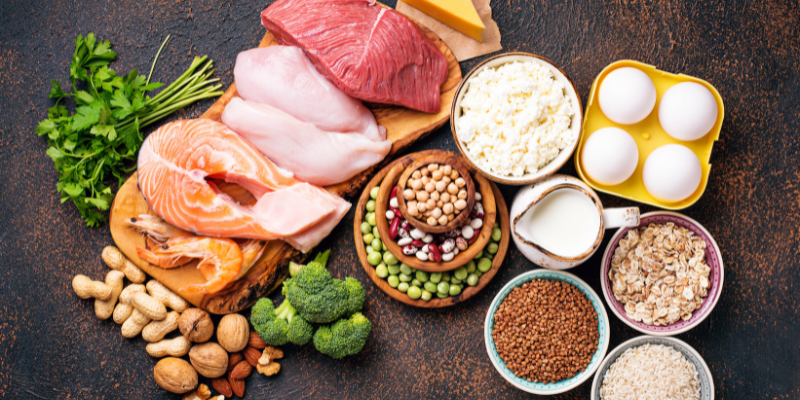
- Protein-rich foods. Eggs, chicken, fish, tofu, nuts and seeds are excellent sources of protein.
- Protein powders. If you cannot get enough protein from food, protein powders such as ReStructure protein powder can also be a source of protein, providing balanced amino acids and easily digestible protein.
Noticing and addressing protein deficiency in time helps maintain good health, so pay close attention to your diet and your body's signals.
What happens if you consume too much protein?
Consuming too much protein can cause several health problems and disorders in the body. Although proteins are important for the body, excessive protein intake carries several risks, especially over a longer period.
Below we explain what can happen if you consume too much protein and how to recognise it.
- Strain on the kidneys
Proteins break down in the body into amino acids, which require the kidneys for processing and removal. Excess protein can put the kidneys under greater strain, as they have to process more protein by-products, especially nitrogen, which is excreted in urine as urea.
Over time, this can overload the kidneys and increase the risk of kidney problems, especially in people who already have kidney disease or reduced kidney function.
- Dehydration
Because processing protein-rich food and excreting urea forces the body to use more water, excess protein can increase the risk of dehydration. This happens when the kidneys use more water to remove the breakdown products of excess protein accumulated in the body.
People who consume large amounts of protein should therefore make sure they also drink enough fluids.
- Calcium loss and bone problems
Studies have shown that a very high-protein diet can cause calcium loss through urine, as the body uses calcium to neutralise the increased acidity caused by protein.
Over time, this can weaken bones and increase the risk of osteoporosis or bone thinning, especially in older people or postmenopausal women.
- Digestive problems
Excessive protein intake, especially from animal sources (such as meat and cheese), can cause digestive disorders. Protein-rich foods are often low in fibre, which can lead to constipation and irregular digestion.
To keep the digestive tract functioning normally, your diet should be balanced and include enough fibre from fruit and vegetables.
- Weight gain
If you consume more protein than your body can use to build muscle, the excess is stored as fat. This can lead to weight gain, especially if you are not physically active enough. Proteins do provide energy, but when calorie intake exceeds the body's needs, the excess calories are stored in fat tissue.
- Increased risk of heart disease
If you mainly consume animal protein sources that are also high in saturated fat (red meat, processed meat and full-fat dairy), this can raise levels of bad LDL cholesterol. Over time, this can increase the risk of cardiovascular disease, including heart attack and stroke.
Although protein is an important nutrient, excessive intake can cause several health problems, such as kidney overload, calcium loss, digestive issues and weight gain.
It is important to follow a balanced diet that contains enough protein but does not exceed the body's daily needs. If you suspect you have consumed too much protein or notice symptoms of excessive intake, adjust your diet and, if necessary, consult a healthcare professional.
Calculating your protein needs
The amount of protein your body needs depends on several factors, such as age, body weight, activity level, health and goals (e.g. building muscle, losing weight, athletic performance, etc.).
Protein needs can vary from person to person, but there are general formulas to help calculate your daily protein intake. Below is a detailed overview of how to estimate and calculate your protein needs.
The most common method for determining protein intake is based on body weight. For an average healthy adult, the recommended protein intake is:
- 0.8 grams of protein per kilogram of body weight per day. This is the minimum most people need to maintain basic body functions and muscle mass.
For example, if a person weighs 70 kg, their protein requirement is 70 kg x 0.8 = 56 grams of protein per day.

How protein needs vary by lifestyle and goals
While 0.8 g of protein per kilogram of body weight is the usual recommendation for a person with an ordinary lifestyle, some people need more protein. Here is an overview of how protein needs can change depending on individual factors.
1. Active people and athletes
A more active lifestyle and regular physical exercise increase protein needs, as protein is used to repair and build muscle. Athletes and physically active people need more protein, especially if they do strength training or endurance sports.
- Strength training and muscle building: 1.6–2.2 g of protein per kilogram of body weight per day. For example, if a person weighs 70 kg and does strength training, their protein requirement would be 70 kg x 1.8 = 126 grams of protein per day.
- Endurance athletes (e.g. long-distance runners, cyclists, skiers): 1.2–1.4 g of protein per kilogram of body weight per day. For example, if an endurance athlete weighs 70 kg, their protein requirement would be 70 kg x 1.3 = 91 grams of protein per day.
2. Weight loss
When losing weight, it is important to maintain muscle mass, because during weight loss the body may use muscle tissue as an energy source if protein intake is insufficient. A higher protein intake helps prevent muscle loss and control appetite.
- Recommended protein intake for weight loss: 1.6–2.2 g of protein per kilogram of body weight per day, depending on physical activity level. For example, if a person weighs 80 kg and wants to lose weight, they should consume at least 80 kg x 1.8 = 144 grams of protein per day.
3. Older adults
Muscle mass tends to decline with age (sarcopenia), so older people need more protein than younger people to maintain muscle mass and support health. A protein-rich diet helps prevent muscle loss and maintain physical strength.
- Recommended protein intake for older adults (65+ years): 1.2–2.0 g of protein per kilogram of body weight per day. For example, if an older person weighs 65 kg, their protein requirement may be 65 kg x 1.5 = 97.5 grams of protein per day.
4. Pregnant and breastfeeding mothers
During pregnancy and breastfeeding, protein needs increase to support the foetus and breast milk production. Increasing protein intake contributes to the normal growth and development of the foetus and also supports the mother's health.
- Recommended protein intake for pregnant and breastfeeding mothers: 1.2–1.5 g of protein per kilogram of body weight per day. For example, if a pregnant woman weighs 65 kg, her protein requirement is 65 kg x 1.3 = 84.5 grams of protein per day.
How to calculate your exact protein intake?
To calculate your protein intake accurately, consider the following factors:
- Measure your body weight
Protein needs are usually calculated based on body weight in kilograms, so it is important to know your exact weight. If your goal is to lose weight, use your current weight in the calculation, not your target weight.
- Determine your physical activity level
Protein needs depend directly on how active you are. For example, physically inactive people need less protein than those who train regularly.
- Adjust your protein intake to your goals
If your goal is to lose weight, build muscle or stay healthy in later life, your protein intake should be higher than the recommended average. A more active lifestyle and athletic goals significantly increase protein needs.
Which foods are rich in protein?
Protein-rich foods can be divided into animal and plant sources:
- Animal proteins include meat (chicken, beef, turkey), fish (tuna, salmon, sardines), eggs, dairy products (cottage cheese, Greek yoghurt) and seafood.
- Plant proteins include legumes (lentils, chickpeas, beans), nuts and seeds, tofu and tempeh, quinoa, pea protein and whole grains.
Examples of protein content in different foods:
- 100 g chicken breast: about 31 g protein
- 100 g salmon: about 25 g protein
- 1 large egg: about 6 g protein
- 100 g Greek yoghurt: about 10 g protein
- 100 g tofu: about 8 g protein
- 100 g cooked lentils: about 9 g protein
Protein intake should be calculated based on body weight and lifestyle. The average adult needs 0.8 grams of protein per kilogram of body weight, but athletes, older people, pregnant women and those losing weight usually need more.
Your target protein intake should be balanced with other nutrients to support your body optimally and avoid the health risks associated with excessive protein intake.
Protein content in different foods
To get the same amount of protein as in one serving of ReStructure protein powder (11 grams of protein), you would need to eat the following amounts of different foods:
Animal-based foods
- Chicken breast: to get 11 grams of protein, you would need to eat about 35.5 grams of chicken breast.
- Beef: to get 11 grams of protein, you would need to eat about 42.3 grams of beef.
- Salmon: to get 11 grams of protein, you would need to eat about 44 grams of salmon.
- Tuna: to get 11 grams of protein, you would need to eat about 36.7 grams of tuna.
- Greek yoghurt: to get 11 grams of protein, you would need to eat about 110 grams of Greek yoghurt.
- Cottage cheese: to get 11 grams of protein, you would need to eat 100 grams of cottage cheese.
- Boiled egg: to get 11 grams of protein, you would need to eat about 2 large eggs.
- Pork (lean): to get 11 grams of protein, you would need to eat about 40 grams of lean pork.
- Turkey: to get 11 grams of protein, you would need to eat about 38 grams of cooked turkey.
Plant-based foods
- Lentils (cooked): to get 11 grams of protein, you would need to eat about 122 grams of cooked lentils.
- Chickpeas (cooked): to get 11 grams of protein, you would need to eat about 151 grams of cooked chickpeas.
- Tofu: to get 11 grams of protein, you would need to eat about 137.5 grams of tofu.
- Peanut butter: to get 11 grams of protein, you would need to eat about 44 grams of peanut butter.
- Quinoa: to get 11 grams of protein, you would need to eat about 170 grams of cooked quinoa.
- Almonds: to get 11 grams of protein, you would need to eat about 55 grams of almonds.
- Seed mix (e.g. chia and sunflower seeds): to get 11 grams of protein, you would need to eat about 60 grams of seed mix.
These examples clearly show the amounts of various animal and plant foods you would need to eat to get the same amount of protein as in one serving of ReStructure protein powder.
Why is ReStructure protein powder suitable for diabetics?
ReStructure protein powder is designed to help control blood sugar levels, making ReStructure an ideal choice for diabetics and those who want to avoid blood sugar fluctuations. Below is a detailed overview of why this product is very well suited to diabetics.
- Low glycaemic index
ReStructure protein powder has a low glycaemic index, which means it does not cause sharp blood sugar fluctuations. Foods with a low glycaemic index release carbohydrates slowly, helping keep blood sugar levels stable. This is extremely important for diabetics, as sharp rises and falls in blood sugar can pose health risks.
- Low sugar content
Each serving of ReStructure protein powder contains only 1 gram of sugar, making it especially suitable for those who need to monitor their sugar intake. The small amount of sugar reduces the risk of blood sugar spiking after a meal. It can also be used as a sugar substitute in a diet aimed at keeping diabetes under control.
- Fibre content
ReStructure contains 4 grams of fibre per serving, which helps slow carbohydrate absorption and control blood sugar levels. Fibre also plays an important role in digestion and helps prolong the feeling of fullness, helping to prevent overeating and sharp rises in blood sugar.
- Healthy fats
ReStructure also contains healthy fats, such as omega-3 fatty acids (660 mg per serving), known for their anti-inflammatory properties and heart-supporting effect. Omega-3 fatty acids also help stabilise blood sugar and reduce insulin resistance, an important aspect for diabetics.
- The effect of protein on blood sugar
The proteins in ReStructure protein powder (whey protein, pea protein and rice protein) help reduce appetite and stabilise blood sugar. Proteins are digested more slowly than carbohydrates, providing a longer feeling of fullness and helping to prevent blood sugar fluctuations. In addition, protein helps maintain muscle mass, which can be important for diabetics who want to lose or maintain weight.
- Cinnamon extract
One of ReStructure's ingredients is cinnamon extract, known for its ability to stabilise blood sugar. Studies have shown that cinnamon can increase insulin sensitivity, helping the body regulate blood sugar more effectively and reducing the need for insulin. This is especially beneficial for those with type 2 diabetes or a predisposition to it.
- Prebiotics
ReStructure contains prebiotic fibres, such as tapioca and inulin, which help balance the gut microbiome. The gut microbiome plays an important role in regulating blood sugar levels, so prebiotics support digestion and immunity, which is important for diabetics.
- Low in calories
ReStructure is also low in calories – one serving contains only 80 calories. This makes it suitable for weight management, an important factor for diabetics, as excess weight is often linked to the development of type 2 diabetes. When in a calorie deficit, this product helps provide the necessary nutritional support without excess calories.
- Stabilising blood sugar overnight
ReStructure protein powder can also be taken before bed, as it helps stabilise blood sugar levels throughout the night, preventing night-time blood sugar drops. This is important for those who experience nocturnal blood sugar fluctuations or hypoglycaemia.
ReStructure protein powder is an ideal supplement for diabetics thanks to its low glycaemic index, low sugar content, high fibre and healthy fat content, and ingredients that help stabilise blood sugar and reduce the need for insulin.
Weight loss support
ReStructure protein powder is an excellent product for supporting weight loss for several reasons. Below is a detailed overview of how and why ReStructure helps with weight loss, and when and how to take it for the best results.
ReStructure protein powder helps you lose weight in several ways thanks to its balanced composition, including low calorie content, high protein content and low sugar.
- Low in calories
ReStructure is low in calories, with only 80 calories per serving, allowing you to get essential nutrients without excess calories. Low calorie content is important for weight loss because it helps create the calorie deficit needed to burn fat and lose weight.
- High protein content
Each serving of ReStructure protein powder contains 11 grams of protein. Proteins are digested more slowly than carbohydrates, providing a longer feeling of fullness and helping control appetite. This helps prevent overeating and blood sugar fluctuations caused by overeating, which can hinder weight loss.
- Fibre content
ReStructure contains 4 grams of fibre per serving, which also helps prolong the feeling of fullness and supports the digestive system. Fibre helps regulate blood sugar levels and prevent sudden binge eating, which is very important for weight loss.
- Low sugar content
ReStructure contains only 1 gram of sugar, which is beneficial for weight loss as it helps avoid excess calories and keep blood sugar stable. The low sugar content means this product is also well suited to those following a low-carb diet or monitoring their sugar intake, such as diabetics or people losing weight.
- Balanced macronutrients
ReStructure contains a perfect combination of protein, fat and carbohydrates (60% protein, 30% carbohydrates and 10% fat). Balanced macronutrients help maintain energy and support the body's needs without burdening it with excess fat and carbohydrates, which is important for effective weight loss.
- Omega-3 fatty acids
The product also contains healthy omega-3 fatty acids (660 mg per serving), which support the body's fat burning and reduce inflammation. Omega-3 fatty acids are important for improving heart function and supporting overall metabolism.
- Reducing hunger and cravings
ReStructure helps reduce appetite and keep it under control, as it contains complete protein and fibre that slow digestion. This helps prevent hunger and snacking between meals.
How and when to take it for the best results?
- In the morning
ReStructure protein powder can be taken as breakfast to start the day with balanced nutrition. Studies have shown that breakfast should contain protein, which helps control appetite and maintain energy throughout the day. A protein-rich breakfast keeps blood sugar stable and reduces the risk of overeating later in the day.
- After training
After a workout, ReStructure is an ideal supplement, as it helps muscles recover and replenishes energy reserves. Proteins support muscle recovery and building, while the low-calorie formula helps avoid excess calorie intake that could hinder weight loss.
- Before bed
ReStructure can also be taken before bed, as it helps keep blood sugar stable throughout the night, preventing night-time blood sugar drops that can cause sleep disturbances or morning fatigue.
- As a snack during the day
If you feel hungry during the day, you can take ReStructure protein powder as a snack. It helps satisfy hunger without excess calories and sugar, which is very important in the weight loss process.
Summary
ReStructure protein powder is an effective supplement for weight loss thanks to its low calorie content, high protein content, low sugar content and perfect nutrient composition. It can be used as breakfast, after training, before bed and as a snack to support weight loss, maintain energy and reduce hunger throughout the day.