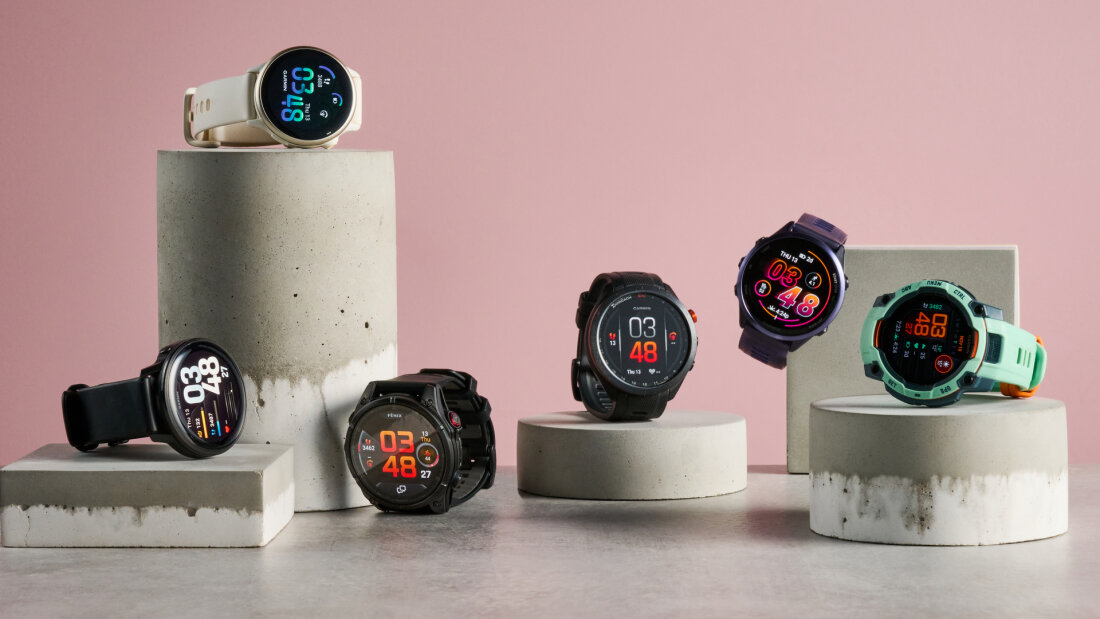
How to Get Ready for Summer: Training Tips and the Right Gear

12.05.2026
 Reading time: 6 minutes
The Estonian summer is short but intense — the calendar fills up quickly with running races, cycling marathon stages and triathlons. The SEB Tallinn Marathon, Tartu Rattamaraton, Ironman Tallinn and hundreds of smaller community sports events await those who are ready for summer. But if your winter training was mostly indoors or on snow, the spring transition to the outdoor season can come as an unexpected shock to both body and mind.
The good news is that if you start smart and on time, you can achieve a remarkable amount in just a couple of months. Here are practical tips on how to get in shape for summer — and which gear will help you reach your goal.
1. Start with the base, not the peaks
The most common mistake made by both recreational and advanced athletes is starting the season with too much intensity and volume. The body needs time to adapt — especially after a long winter, when many of us move less than we'd like to admit.
Practical tip: the first 3-4 weeks should be easy base training, keeping your heart rate at 60-75% of your maximum. This is the so-called aerobic zone, which builds endurance and teaches the body to use fat as fuel without wearing you out.
This is where continuous heart rate monitoring helps. A watch that measures wrist-based heart rate gives you instant feedback on whether you're in the right zone.
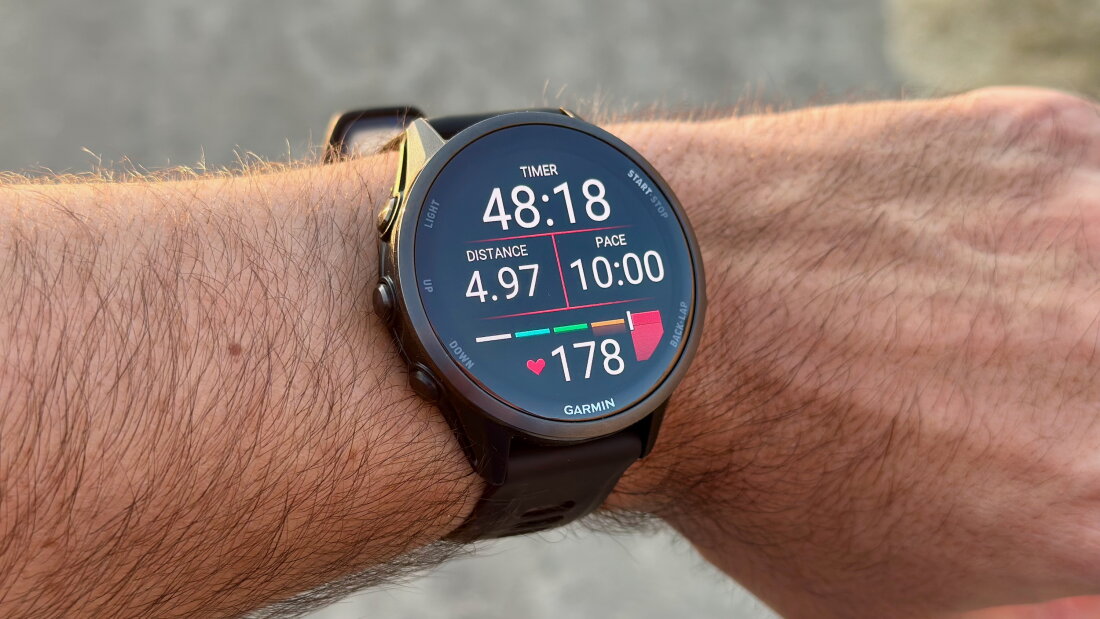
Garmin Forerunner series sports watches offer detailed heart rate analysis and training load tracking to help you avoid overtraining.
If you can use a chest strap, the data is even more accurate — especially during interval training, where a wrist sensor may lag slightly during rapid changes.
2. Plan your week smartly — quality over quantity
Estonian recreational athletes often share the same problem: they do 3-4 workouts a week at similar intensity, which are neither easy enough for recovery nor hard enough for progress. The result is a plateau — your fitness doesn't improve, but fatigue builds up.
A classic weekly split:
- 1 long easy session (duration, not pace)
- 1 interval session (speed or strength)
- 1-2 medium-length easy sessions
- 1 strength session (especially important for runners and cyclists!)
- 1-2 rest days or light recovery activity

A modern training watch can analyse your training load and give recovery recommendations. Features like Training Readiness and Body Battery show whether today is a good day for a hard workout or whether you should take it easy.
Read more about Training Readiness
3. Gear that really matters
The right gear won't make you an athlete, but the wrong gear can spoil your enjoyment of training or even cause injuries. What should you check before summer?
Footwear. This is number one. Running shoes wear out after about 600-800 kilometres — even if the sole still looks fine, the cushioning is already gone. If you have a longer race ahead, give new shoes at least 50-100 kilometres of breaking in before the start.
Clothing. Estonian summer means everything — from 10-degree morning rain to 30-degree heat. Layering is the key. A moisture-wicking base layer, a light windbreaker and a cap for sun protection are basic gear for every outdoor athlete.
Heart rate watch or sports watch. If you train with a goal, data is worth its weight in gold.
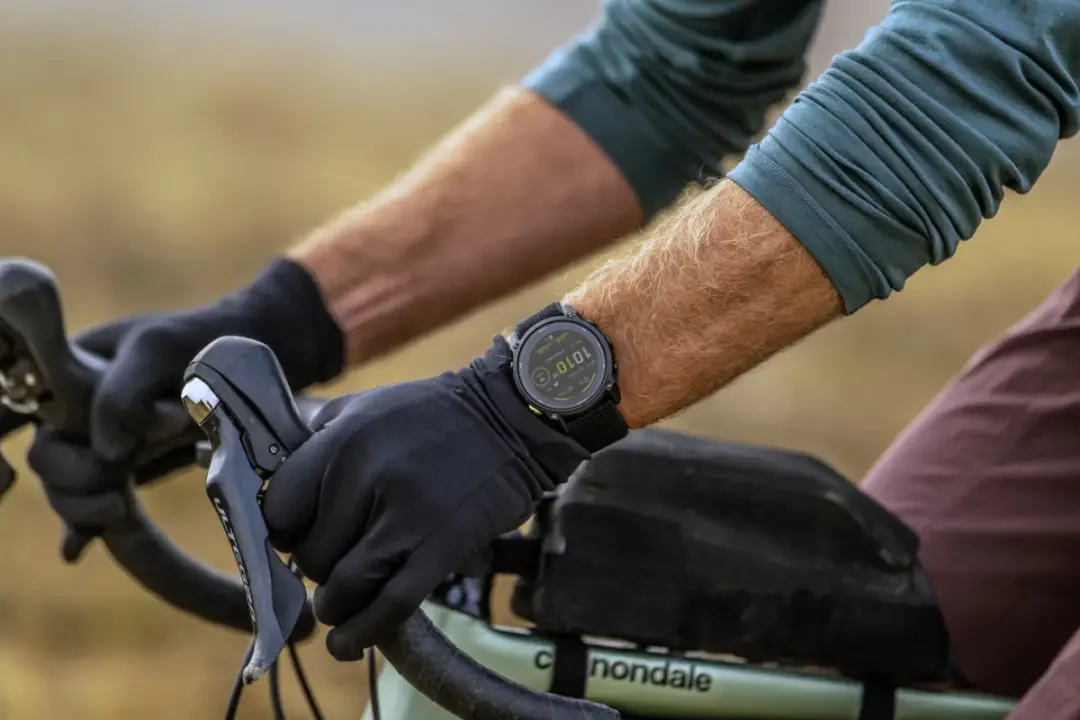
For longer-distance athletes — especially triathletes — models with multisport features like the Forerunner 965 or the Fenix series are ideal, switching between sports at the press of a button.
For cyclists: a bike computer combined with a power meter takes training accuracy to a whole new level. The Garmin Edge series offers navigation, safety features (such as alerts for vehicles approaching from behind with the Varia radar) and detailed ride data.
4. Nutrition and recovery — half the battle
Training alone isn't enough. What you eat and how you sleep determine at least half of your results.
Carbohydrates before longer sessions. If you're planning a workout of more than 90 minutes, your body needs carbohydrate stores. A banana, oatmeal, a rice cake — simple and effective. In long races (marathon, cycling marathon), you also need to learn to eat on the go — gels, bars or even regular food like raisins and dates.
Water and electrolytes. In the Estonian summer it may seem that humidity isn't an issue, but on a 25-degree day you can lose more than a litre of fluid in an hour. In longer races, water alone won't do — you also need salt and minerals.
Sleep is underrated. Above every recovery drink and massage stands one simple thing: 7-9 hours of sleep. Modern sports watches measure sleep quality and show how much deep and REM sleep you actually got. It's eye-opening information, especially for those who think they "can manage on 6 hours".
5. Set yourself a specific goal
A vague "I want to get in shape for summer" leads nowhere. A specific goal — "I want to run the half marathon at the SEB Tallinn Marathon in September in under 1:45" — gives your training direction and motivation.
How to choose a good goal?
- It must be measurable (time, distance, place)
- It must be realistic but challenging
- It must have a date
If you register for a race as early as April-May, you have a day in your calendar, in black and white, to prepare for. This makes training discipline much easier.
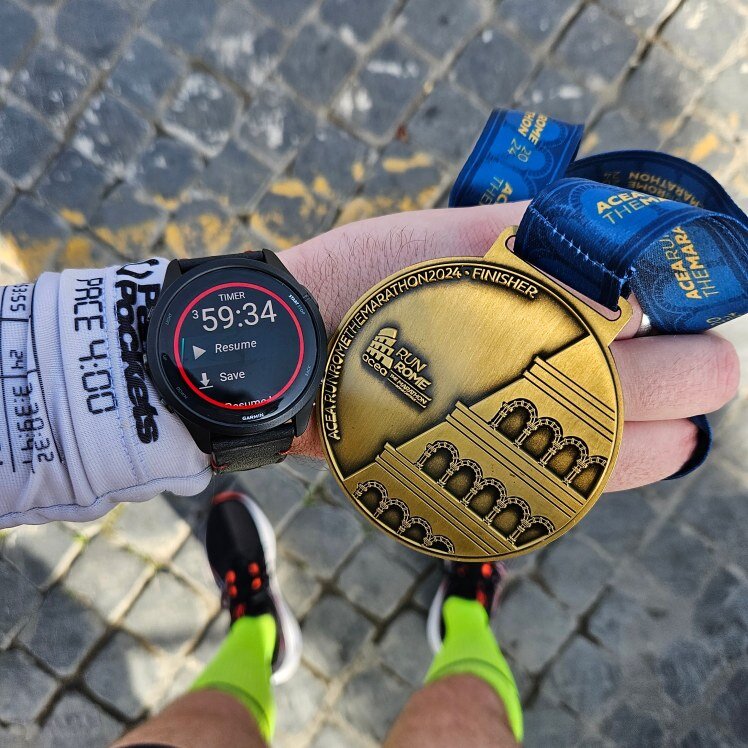
The Estonian sports calendar is full of options in summer — for runners, from 5 km fun runs to full marathons; for cyclists, the 135 km main distance of the Tartu Rattamaraton; for swimmers, the swim around Aegna; and for triathletes, the whole range from sprints to long distance.
Summary
Preparing for summer isn't a sprint — it's about consistency. Three things to remember:
- Start easy and increase the load gradually — your body will thank you in the autumn
- Measure what you do — data is the best coach you can get
- Sleep and eat well — recovery is part of training, not its opposite
Summer comes and goes quickly. Those who start preparing in April-May will enjoy the season much more than those who suddenly decide to run 15 km on the first hot day.
Good luck with your training — and see you at the start line!
Looking for the right sports watch, bike computer or other Garmin gear?
See all products at gpseesti.ee
— our team will help you find the model that's right for you.